“Don’t remove a fence until you know why it was put up in the first place”
... works as a web developer in Hveragerði, Iceland, and writes about the web, digital publishing, and web/product development
These are his notes
“Don’t remove a fence until you know why it was put up in the first place”
“Website Fidelity: Browser Perspective - Jim Nielsen’s Blog”
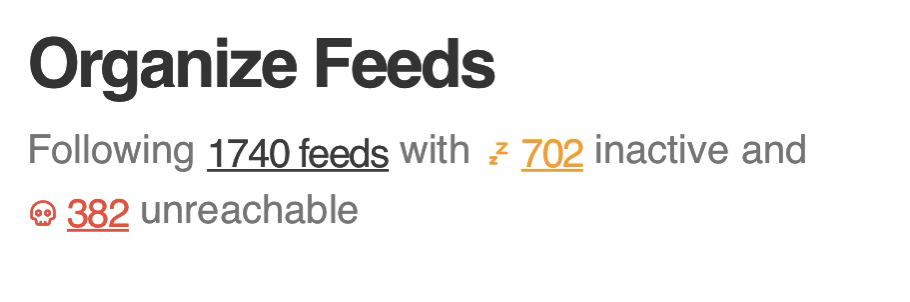
One day I’ll post my blogroll—the blogs I follow regularly—but cleaning up my feed list is a bit of a task. And I like it when one of the unreachables comes to life again after several years of silence. It happens.
These are all very good blogs to follow.
“Accessibility in the Fediverse (and Mastodon) · Eric Eggert”
It would be a fulltime job to maintain a blog that does nothing but correct DHH’s misconceptions and factual errors.
“Why does my office smell of sulphur?”
Turns around. Sees the open window facing the geothermal park next door. “Right.”
It’s usually either still or extremely windy around here. Not used to a breeze light enough to carry the smell 😄
“Scroll to Text Fragments - Jim Nielsen’s Blog”
One of my fav new additions to the web stack. Two browsers done out of three, so well on its way towards standardisation.
These ideas would not be out of place in the original Smalltalk systems which IIRC tried to expose the underlying programming objects to the end user.
“The shorter the feedback loop, the better”
Excellent point. This applies to product design and design in general, not just software development.
“A beginner’s guide to Chrome tracing - Read the Tea Leaves”
“OKLCH in CSS: why we moved from RGB and HSL—Martian Chronicles, Evil Martians’ team blog”
“How to balance software architecture goals with limited resources”
“What if the team assumes my functional JavaScript is slow?”
“Why ‘dark mode’ causes more accessibility issues than it solves - by H Locke - Medium”
“Style performance and concurrent rendering - Read the Tea Leaves”
“The Shared Element Transition API is FLIPping Cool - Chris Coyier”
If there’s one proposal that I hope makes it to become a standard, it’s the Shared Element Transition API.